

Oxidative Stress and Free Radicals: The Hidden Threat to Your Immune Health
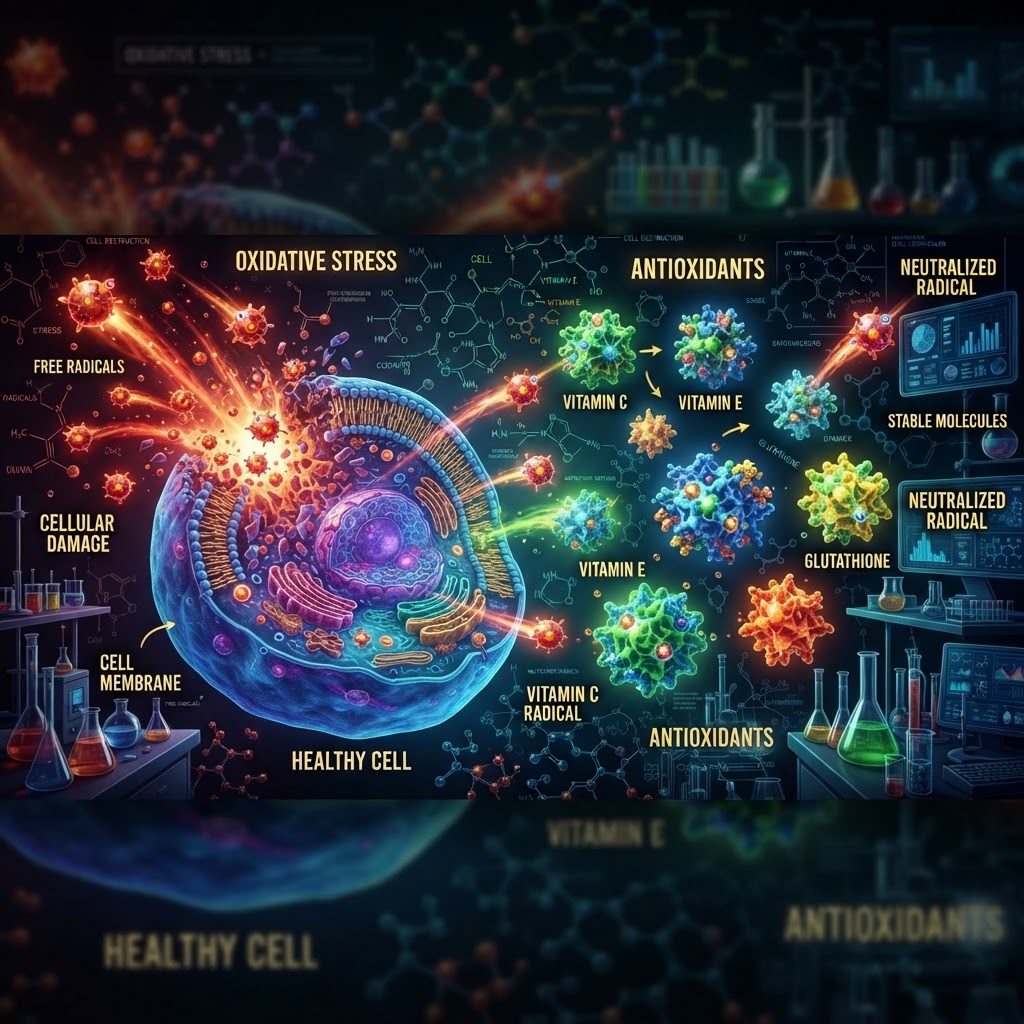
Every day, your body wages a silent war against an invisible enemy — free radicals. These unstable molecules, generated by everything from pollution and processed food to stress and sunlight, can quietly overwhelm your immune system if left unchecked. As a medical doctor and founder of Lighthouse Healthcare, I've spent years studying how oxidative stress undermines immunity at the cellular level — and what South Africans can do about it. In this comprehensive guide, I'll break down the science of free radicals, explain why antioxidants like Vitamin C and Vitamin E are essential defenders, and show you how a well-formulated supplement like Immunex Original can help restore the balance your immune system desperately needs to function at its best.
Imagine your immune cells as highly trained soldiers — alert, responsive, and ready to neutralise any threat. Now imagine those same soldiers being pelted with shrapnel from every direction, day and night, gradually wearing down their armour and dulling their precision. That is essentially what oxidative stress does to your body. It is not dramatic or sudden. It is slow, cumulative, and largely invisible — until the damage becomes impossible to ignore.
In my years of clinical practice here in South Africa, I've seen patients who eat reasonably well, exercise occasionally, and get enough sleep, yet still find themselves falling ill repeatedly, feeling persistently fatigued, or recovering from illness far more slowly than they should. When we dig deeper, oxidative stress is frequently part of the story. South Africa's unique combination of high UV radiation, urban air pollution in cities like Johannesburg and Cape Town, high rates of tobacco use, and diets heavy in processed foods creates a perfect storm for free radical overload in our population.
The good news is that this is not a battle you are powerless to influence. Understanding the science of oxidative stress — what it is, where it comes from, and how to counter it — is one of the most empowering things you can do for your long-term health. So let's go deep into the biology, and then let's talk about what you can practically do about it, starting today.
What Are Free Radicals and Where Do They Come From?
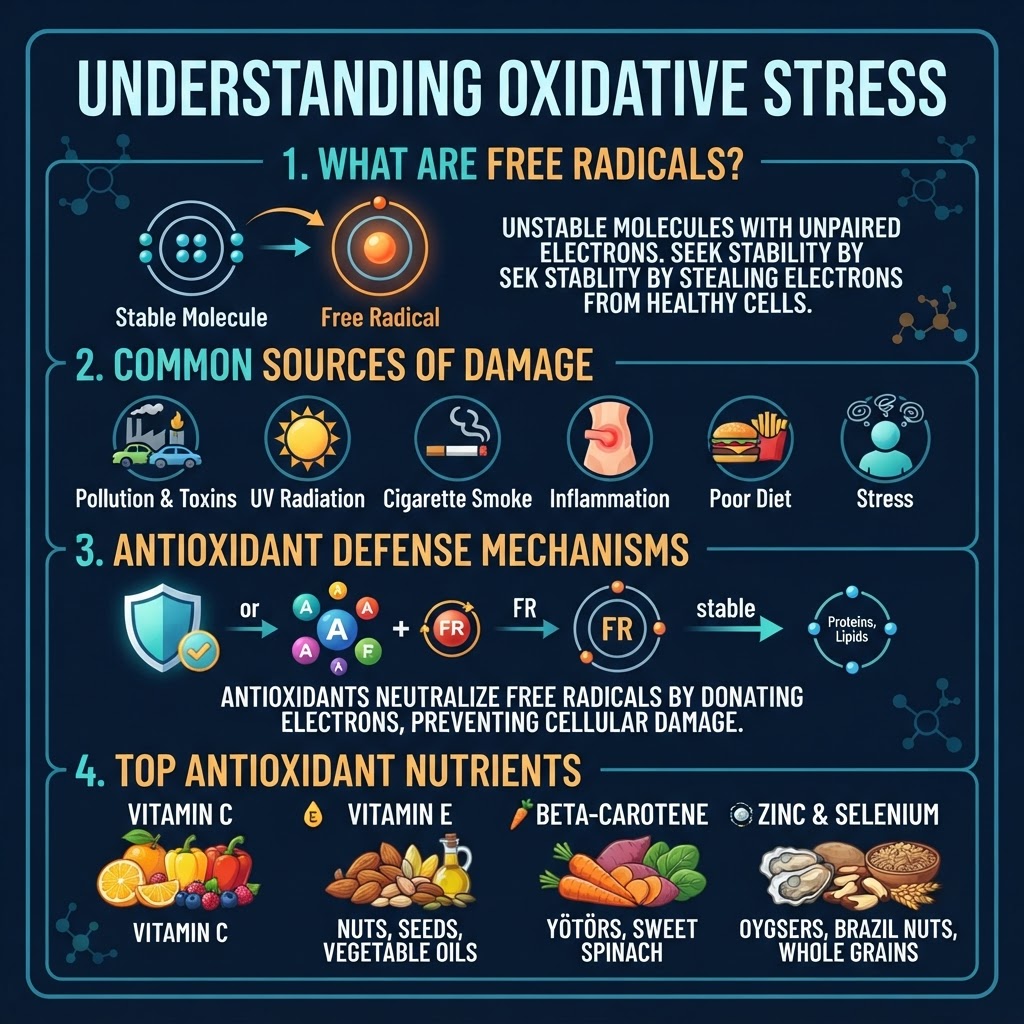
At the most fundamental level, free radicals are molecules that have lost one of their electrons, making them chemically unstable and highly reactive. To restore their stability, they steal electrons from neighbouring molecules — including the lipids that form your cell membranes, the proteins that drive enzymatic reactions, and even the DNA housed in your cell nuclei. This chain reaction of electron theft is what we call oxidative stress, and it can cause cascading damage across virtually every tissue and system in the body.
Free radicals are not entirely foreign intruders — your body actually produces them as a natural by-product of metabolism. When your mitochondria burn glucose to generate energy (ATP), reactive oxygen species (ROS) are inevitably formed. In small, controlled amounts, these ROS actually serve useful functions: they help white blood cells destroy pathogens, regulate cell signalling, and even facilitate certain aspects of gene expression. The problem arises when free radical production outpaces your body's ability to neutralise them — a tipping point that modern life pushes us toward with alarming regularity.
External sources of free radicals are numerous and deeply embedded in contemporary South African life. Ultraviolet radiation from our famously intense sun is one of the most potent free radical generators known — and while we love our sunshine, unprotected exposure dramatically increases oxidative burden on the skin and deeper tissues. Air pollution from vehicle emissions and industrial activity in Gauteng's industrial zones, the Vaal Triangle, and the Western Cape's petrochemical corridors adds another significant layer. Cigarette smoke alone introduces over 4,000 chemical compounds, many of which are powerful pro-oxidants. Alcohol, fried and charred foods, pesticide residues on produce, and even psychological stress (which triggers cortisol and adrenaline cascades with oxidative side effects) all contribute to your daily free radical load.
What makes this particularly insidious is that most people cannot feel oxidative stress happening in real time. There is no sharp pain, no visible rash, no immediate symptom that says "your antioxidant defences are overwhelmed right now." The effects accumulate over months and years, manifesting eventually as chronic inflammation, accelerated ageing, compromised immunity, and increased susceptibility to degenerative disease. This is why I regard it as a hidden threat — hidden not because it is rare, but because it operates in silence.
How Oxidative Stress Specifically Undermines Your Immune System
The immune system is one of the most metabolically active systems in the human body. When it mounts a defence response — producing antibodies, activating T-cells and B-cells, directing natural killer cells to infected tissue — it generates enormous amounts of oxidative activity. This is intentional: the immune system uses ROS as weapons against pathogens. But this means immune cells operate in an inherently oxidative environment, and they are therefore among the most vulnerable to oxidative damage when antioxidant defences are insufficient.
Lymphocytes — the white blood cells central to adaptive immunity — are particularly rich in polyunsaturated fatty acids (PUFAs) in their cell membranes, which are highly susceptible to lipid peroxidation by free radicals. When lymphocyte membranes are damaged by oxidative stress, the cells lose their structural integrity, their receptor function is impaired, and their ability to communicate with other immune cells via cytokines becomes disrupted. Research published in journals such as Free Radical Biology and Medicine has consistently demonstrated that oxidative stress suppresses lymphocyte proliferation — meaning your body produces fewer immune cells when it needs them most.
Oxidative stress also promotes chronic low-grade inflammation through the activation of nuclear factor kappa B (NF-κB), a transcription factor that upregulates pro-inflammatory cytokines like TNF-alpha, IL-1, and IL-6. While acute inflammation is a necessary and beneficial immune response, chronic inflammatory signalling driven by oxidative stress creates a background "noise" that blunts the immune system's ability to mount precise, targeted responses. This is part of why people under chronic oxidative stress — heavy smokers, people with poorly managed diabetes, those living in highly polluted areas — tend to experience both more frequent infections and slower recovery times.
Oxidative Stress and the Gut-Immune Connection
Approximately 70% of your immune system resides in your gut, and your gut lining is a critical barrier between the outside world and your internal environment. Free radicals can compromise the tight junctions between intestinal epithelial cells, contributing to increased intestinal permeability — often referred to colloquially as "leaky gut." When this barrier is breached, partially digested food particles and microbial fragments can enter the bloodstream, triggering systemic immune activation and driving further oxidative stress in a self-perpetuating cycle. This gut-immune-oxidative axis is an area of intensely active research, and the findings underscore why broad-spectrum antioxidant support is not a luxury — it is a foundational requirement for robust immune function.
The Antioxidant Defence System: Your Body's Counter-Attack
Fortunately, your body is not defenceless. It has evolved a sophisticated, multi-layered antioxidant defence system that includes both endogenous (internally produced) antioxidants and those derived from the diet. Understanding this system is key to appreciating why nutritional support matters so profoundly.
- Superoxide Dismutase (SOD): One of the body's primary enzymatic antioxidants, SOD converts the highly reactive superoxide radical into hydrogen peroxide, which can then be further neutralised. It requires minerals like zinc, copper, and manganese as co-factors — deficiencies in these minerals directly impair SOD activity.
- Glutathione: Often called the "master antioxidant," glutathione is a tripeptide produced in every cell of the body. It directly neutralises free radicals, regenerates other antioxidants like Vitamin C and Vitamin E, and plays a central role in detoxification. Glutathione levels decline with age, illness, and poor nutrition, leaving older adults particularly vulnerable to oxidative damage.
- Vitamin C (Ascorbic Acid): A powerful water-soluble antioxidant that neutralises free radicals in aqueous (fluid-based) environments both inside and outside cells. Vitamin C also regenerates oxidised Vitamin E, effectively recycling it back into its active antioxidant form. Beyond its antioxidant role, Vitamin C is essential for the production and function of neutrophils and lymphocytes, and it supports the physical barriers of immunity including the skin and mucosal membranes.
- Vitamin E (Tocopherol): A fat-soluble antioxidant that works primarily within cell membranes, protecting the phospholipid bilayer from lipid peroxidation. Because immune cells have particularly lipid-rich membranes, Vitamin E is especially critical for immune cell integrity. Studies published in Nutrients have shown that Vitamin E supplementation enhances T-cell function and improves immune responses, particularly in older individuals whose immune systems are already under oxidative strain.
- Beta-Carotene and Carotenoids: Plant pigments that function as antioxidants in their own right and serve as precursors to Vitamin A, which is essential for the integrity of epithelial surfaces and mucosal immunity. Found abundantly in orange and yellow vegetables like butternut squash — a staple in many South African kitchens — and in leafy greens like spinach.
- Selenium: A trace mineral that is a co-factor for glutathione peroxidase, one of the body's most important antioxidant enzymes. South African soils are notoriously selenium-poor in many regions, meaning dietary intake is often insufficient without deliberate supplementation or consumption of selenium-rich foods.
- Zinc: Beyond its direct antioxidant properties, zinc is essential for the structural stability of proteins and cell membranes, reduces free radical generation from certain enzymatic reactions, and is indispensable for the development and function of immune cells including neutrophils, natural killer cells, and T-lymphocytes.
The Research: What Science Tells Us About Antioxidants and Immunity
The relationship between antioxidant status and immune function is one of the most robustly studied areas in nutritional immunology. The evidence, accumulated over decades, is compelling. A landmark review by the World Health Organization on micronutrients and immune function established that deficiencies in vitamins and minerals with antioxidant properties are among the most common and consequential nutritional problems globally, particularly in developing and middle-income countries — a category South Africa falls into.
Research on Vitamin C has been particularly extensive. A comprehensive meta-analysis of randomised controlled trials found that regular Vitamin C supplementation reduced the duration of common cold symptoms by approximately 8% in adults and 14% in children, and reduced the incidence of colds among individuals under intense physical stress — such as marathon runners and soldiers — by up to 50%. While these figures may sound modest in isolation, they represent a meaningful reduction in the cumulative burden of illness, lost workdays, and healthcare costs at a population level. Moreover, Vitamin C's role in regenerating Vitamin E means that these two nutrients have a synergistic relationship that makes combined supplementation more powerful than either alone.
The evidence for Vitamin E is equally persuasive. A pivotal study conducted at Tufts University and published in the Journal of the American Medical Association found that elderly subjects supplemented with Vitamin E showed significantly enhanced delayed-type hypersensitivity responses, increased IL-2 production, and improved antibody responses to hepatitis B and tetanus vaccines — all markers of stronger, more effective immune function. Given that South Africa has an ageing population and an already high burden of infectious disease including HIV and tuberculosis, the implications of this research for our context are significant.
It is also worth noting that oxidative stress is increasingly recognised as a central mechanism in the pathophysiology of non-communicable diseases (NCDs) — cardiovascular disease, type 2 diabetes, and certain cancers — that together account for a substantial portion of South Africa's disease burden. By maintaining antioxidant defences, we are not simply protecting against colds and flu; we are investing in long-term cellular health that may reduce the risk of these chronic conditions developing or progressing.
How Immunex Original Supports This
When I developed Immunex Original, my guiding principle was comprehensiveness. I had seen too many immune supplements on the South African market that offered a handful of ingredients at subtherapeutic doses — a token amount of Vitamin C here, a sprinkle of zinc there — and called it a day. The science of immune support is far more nuanced than that. Oxidative stress, as we have explored in this article, is a multi-front challenge that requires a multi-front response. That is why Immunex Original contains a carefully formulated blend of 32 active ingredients, each selected for its evidence-based role in immune and antioxidant defence.
The antioxidant matrix within Immunex Original is designed to cover all the environments in which free radical damage can occur. Vitamin C provides water-soluble antioxidant protection and supports lymphocyte production and function. Vitamin E protects cell membranes — especially those of immune cells — from lipid peroxidation. Selenium supports the glutathione peroxidase system, amplifying the body's endogenous antioxidant capacity. Zinc serves as a co-factor for SOD and directly supports the integrity and function of T-cells and natural killer cells. Beta-carotene protects epithelial barriers. These nutrients do not work in isolation in the formula — they work in concert, mirroring the synergistic way they function in human physiology. You can explore our full ingredients list to understand the complete profile of what goes into every capsule.
What I am most proud of is that Immunex Original is formulated not just for healthy people looking to stay well, but for South Africans navigating real-world stressors — the high UV burden of our climate, the air quality challenges of our cities, the nutritional gaps created by modern diets, and the immune challenges posed by our country's high infectious disease burden. Whether you are a 28-year-old professional in Sandton dealing with chronic work stress, a 55-year-old in Durban managing a lifestyle disease, or a 70-year-old in the Cape Winelands wanting to stay ahead of illness as your immune system naturally ages, the antioxidant support in Immunex Original is formulated with your reality in mind.
Practical Tips for South Africans
- Eat the rainbow — and go local: South Africa has an extraordinary abundance of antioxidant-rich produce. Include butternut, sweet potato, morogo (wild spinach), red and yellow peppers, tomatoes, and citrus fruits like naartjies and grapefruit in your daily meals. These foods are affordable, widely available, and packed with Vitamin C, beta-carotene, and flavonoids that support your antioxidant defences naturally.
- Protect yourself from UV radiation without avoiding the sun entirely: Our high-altitude, low-latitude sun is one of the strongest free radical generators in everyday South African life. Use SPF 30 or higher sunscreen when spending extended time outdoors, wear a hat during peak UV hours (10am–3pm SAST), and ensure your antioxidant intake is robust enough to manage the oxidative load of regular sun exposure.
- Reduce or eliminate smoking: There is no single lifestyle intervention that reduces free radical burden more dramatically than quitting cigarettes. With South Africa's smoking prevalence still significantly above global averages in certain demographics, this is one of the highest-impact changes anyone who smokes can make for their immune health. Speak to your GP about cessation support.
- Manage stress actively and consistently: Psychological stress elevates cortisol and catecholamines, which drive mitochondrial dysfunction and free radical overload. Regular moderate exercise (brisk walking, swimming, yoga), adequate sleep of 7–9 hours per night, and evidence-based stress management techniques like mindfulness have all been shown to reduce oxidative stress markers. Even a 30-minute walk through one of South Africa's beautiful nature reserves or parks can meaningfully shift your stress physiology.
- Limit processed and charred foods: Advanced glycation end-products (AGEs) found in heavily processed, fried, and charred foods are potent sources of oxidative stress. Traditional South African braai culture is beloved — and you don't have to give it up — but balance charred meats with plenty of antioxidant-rich salads, grilled vegetables, and whole foods. Marinating meat before grilling has been shown to reduce carcinogenic compound formation by up to 90%.
- Consider a comprehensive antioxidant supplement: Even with the best dietary intentions, meeting optimal levels of all key antioxidant nutrients through food alone is challenging — particularly for selenium, Vitamin E, and zinc, given South Africa's soil quality issues and the nutrient depletion caused by modern food processing. A well-formulated comprehensive supplement can bridge these gaps reliably and consistently. Visit the Immunex shop to learn more about how Immunex Original fits into this strategy, or read about the philosophy behind the formula.
The Bottom Line
Oxidative stress and free radicals are not abstract scientific concepts — they are real, measurable, biological forces shaping your health every single day. The cumulative damage they cause to your immune cells, your DNA, your cell membranes, and your inflammatory signalling pathways is one of the most significant yet underappreciated drivers of poor immunity, slow recovery, and long-term disease risk. The antidote — a robust, multi-nutrient antioxidant defence strategy built on a foundation of whole foods, smart lifestyle choices, and targeted supplementation — is well within your reach. This is not about chasing perfection. It is about making consistent, informed choices that keep your internal defences strong enough to do what they were designed to do.
As a doctor, I believe that knowledge is the most powerful supplement of all. I hope this article has given you a clearer, more confident understanding of what your body is up against and what it needs to thrive. If you are ready to take the next step and give your immune system the comprehensive antioxidant support it deserves, I invite you to shop Immunex Original today. Formulated with 32 carefully selected ingredients, grounded in peer-reviewed science, and designed specifically for the health realities of South Africans — it is the most complete immune support I know how to offer. Your immune system works for you every moment of every day. It is time to work for it.