
Zinc-Rich Foods for South Africans: A Complete Dietary Guide to Immune Support
Zinc is one of the most essential yet commonly overlooked minerals in the South African diet. From the bustling streets of Johannesburg to the coastal communities of the Western Cape, millions of South Africans may be unknowingly running low on this critical immune-supporting nutrient. In this comprehensive guide, Dr. Chomba Chuma, MD and Founder of Lighthouse Healthcare, breaks down exactly which zinc-rich foods you should be eating, why zinc is so vital for immune support, how South African dietary patterns affect zinc status, and how Immunex Original helps fill the nutritional gaps that diet alone may leave behind. Whether you eat beef daily or follow a plant-based lifestyle, this guide has practical, locally relevant advice for every South African looking to strengthen their immune system through smarter nutrition choices.
As a medical doctor who has spent years working at the intersection of clinical medicine and preventive health, I have seen first-hand how nutritional deficiencies quietly erode the body's defences — often long before any obvious symptoms appear. Among the many nutrients I monitor in my patients, zinc consistently stands out as one of the most underappreciated pillars of immune function. It is not glamorous like Vitamin C, and it rarely makes headlines the way omega-3 fatty acids do. But make no mistake: without adequate zinc, your immune system simply cannot perform at its best.
South Africa presents a particularly interesting nutritional landscape. We are a country of extraordinary culinary diversity — braai culture, Cape Malay cooking, Zulu traditional cuisine, Indian-influenced dishes in KwaZulu-Natal, and an ever-growing plant-based movement in urban centres. Yet despite this richness, national nutrition surveys consistently reveal that zinc deficiency and insufficiency affect a significant portion of our population, particularly children, pregnant women, the elderly, and those living in lower-income households. The South African National Health and Nutrition Examination Survey (SANHANES) has highlighted micronutrient gaps across multiple population groups, and zinc features prominently among them.
This article is my attempt to give every South African — regardless of background, income, or dietary preference — a clear, practical, and deeply researched road map to getting more zinc through food. We will explore the science of why zinc matters, identify the best local food sources, discuss bioavailability challenges specific to plant-based eaters, and explain how Immunex Original can serve as a reliable safety net when diet alone falls short. Let us begin.
Why Zinc Is Non-Negotiable for Immune Health
Zinc is an essential trace mineral involved in over 300 enzymatic reactions in the human body. Its role in immune function is both broad and precise. At the cellular level, zinc is required for the development and activation of T-lymphocytes — the white blood cells that identify and destroy infected or cancerous cells. It supports the production of natural killer (NK) cells, regulates cytokine signalling, and helps maintain the integrity of physical barriers like the skin and mucosal linings of the respiratory tract. In simple terms, zinc is involved in almost every layer of your immune defence.
What makes zinc particularly relevant for South Africans is the dual burden of infectious disease and chronic lifestyle conditions we face as a nation. HIV remains a significant public health challenge, tuberculosis rates are among the highest in the world, and respiratory illnesses — including seasonal influenza and the lingering consequences of COVID-19 — continue to strain our healthcare system. Research published in the American Journal of Clinical Nutrition has consistently shown that zinc deficiency impairs immune responses to both bacterial and viral pathogens, making adequate zinc status especially critical in high-infection environments.
Beyond immunity, zinc plays important roles in wound healing, DNA synthesis, protein production, hormonal regulation, and even mental health. The thyroid gland depends on zinc, as does the production of testosterone and growth hormone. Children with zinc deficiency experience stunted growth and cognitive delays. For adults, insufficient zinc is linked to increased susceptibility to infections, slower recovery times, and reduced vaccine efficacy — a finding that has significant implications for South Africa's ongoing immunisation programmes. The World Health Organization estimates that approximately 17% of the global population is at risk of inadequate zinc intake, with sub-Saharan African populations disproportionately affected.
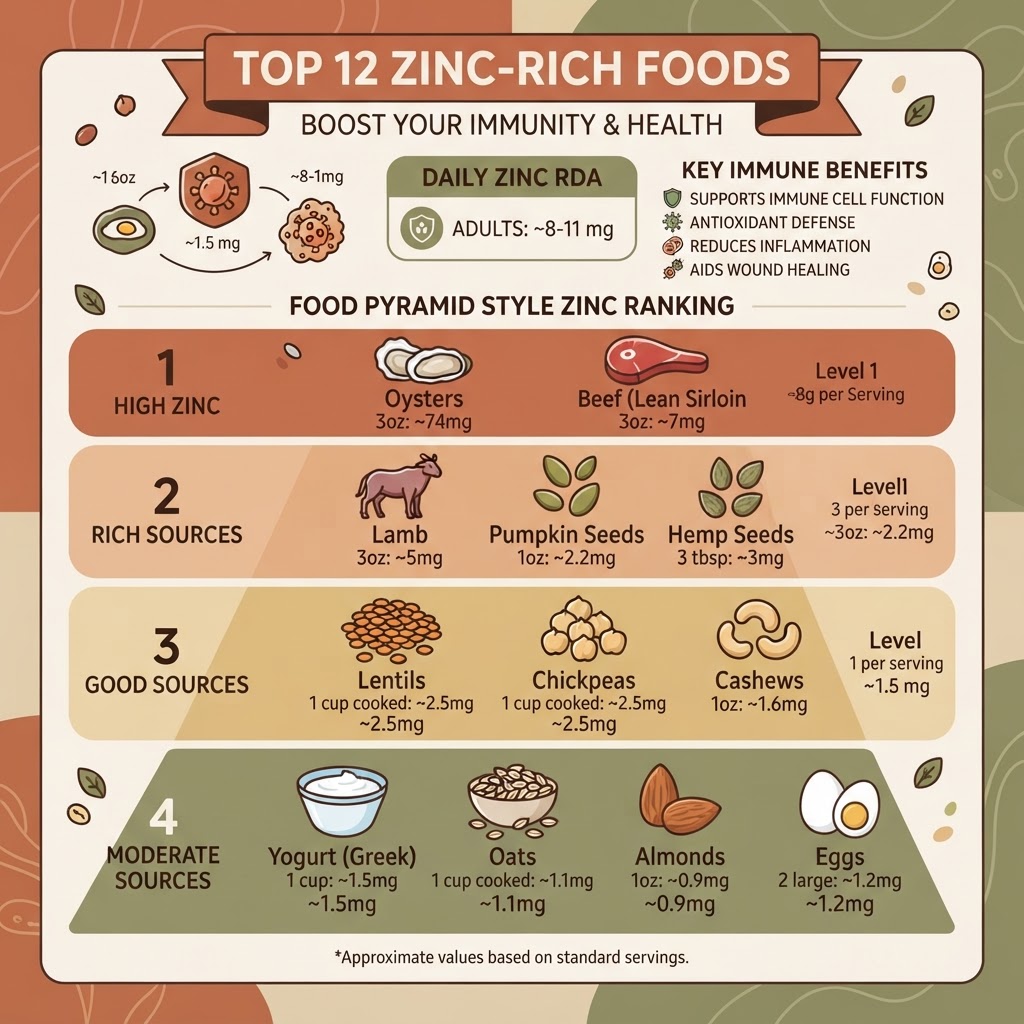
The recommended dietary allowance (RDA) for zinc in adults is approximately 8–11 mg per day, with slightly higher requirements during pregnancy and lactation. Upper tolerable intake levels sit around 40 mg per day — beyond which zinc can interfere with copper absorption. The goal is not simply to avoid deficiency, but to maintain optimal zinc status that supports robust, responsive immunity year-round.
The Best Zinc-Rich Foods Available in South Africa
The good news is that South Africa's food environment — when access and affordability align — offers a wide variety of zinc-rich foods. The challenge is knowing which sources are most potent, most bioavailable, and most practically accessible to the average household. Let me walk you through the top categories, starting with the most zinc-dense options and moving toward plant-based alternatives that require a little more nutritional strategy.
Animal-Based Sources: The Zinc Powerhouses
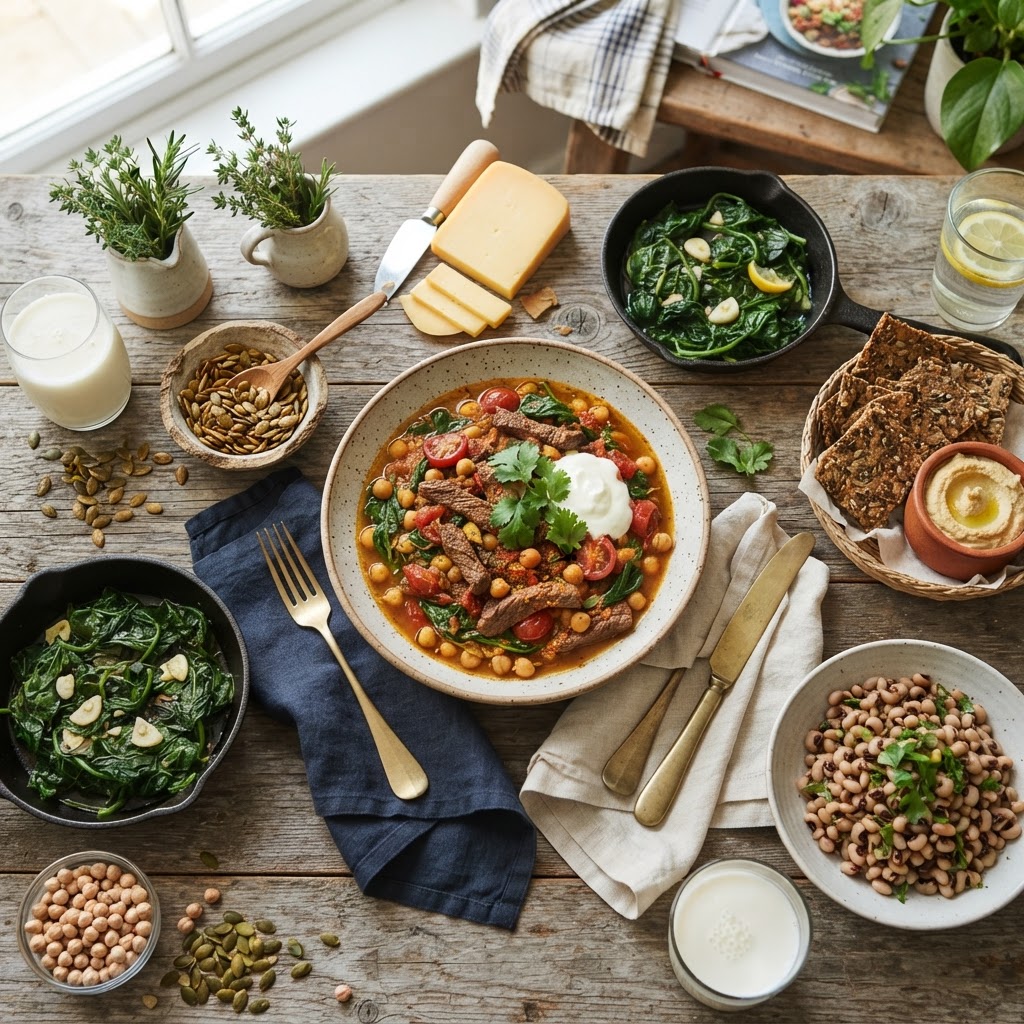
Beef is unquestionably one of the richest and most bioavailable sources of zinc in the South African diet, and fortunately, it features prominently in our culinary traditions. A 100-gram serving of cooked beef mince contains approximately 7–8 mg of zinc — close to the full daily requirement in a single meal. Beef brisket, used widely in township cooking and braai culture, is similarly impressive. What makes animal-based zinc superior from a nutritional standpoint is its high bioavailability: the zinc found in red meat is bound to amino acids and absorbed at rates of 40–50%, compared to 10–20% for plant-based sources. This is because meat lacks phytic acid — the anti-nutrient found in grains and legumes that blocks zinc absorption.
Lamb and mutton, staples in Cape Malay and Afrikaner cooking, are also excellent zinc sources. A shoulder of lamb provides roughly 5–6 mg of zinc per 100g serving. Chicken and pork offer moderate zinc levels — typically 2–3 mg per 100g — making them useful contributors to daily intake even if they cannot match red meat in zinc density. Organ meats deserve a special mention here: beef liver, often affordable and widely available in South African butcheries, is extraordinarily nutrient-dense, delivering zinc alongside Vitamin A, B12, iron, and folate. If you can incorporate liver into your diet even once a week, your micronutrient status will benefit significantly.
Shellfish — particularly oysters — are the single richest dietary source of zinc on the planet, with a serving of six oysters delivering anywhere from 30–50 mg. While oysters are not an everyday staple for most South Africans, the Western Cape's coastline makes them more accessible here than in many other African countries. Mussels and crab are more modestly priced alternatives that still offer meaningful zinc contributions. For coastal communities, incorporating shellfish into the weekly diet is a highly effective strategy for boosting zinc and overall immune support.
Eggs and dairy products contribute smaller but still meaningful amounts of zinc. A large egg provides approximately 0.6 mg, while a 100g serving of hard cheese offers around 3–4 mg. Full-cream milk consumed regularly throughout the day can add up to a noteworthy contribution — particularly for children and the elderly who may eat smaller portions of meat. These foods are especially important as accessible, affordable zinc sources for households that cannot afford regular red meat consumption.
Plant-Based Sources: Legumes, Seeds, and Grains
For the growing number of South Africans adopting vegetarian or vegan diets — as well as for the many low-income households where meat is a weekend luxury rather than a daily staple — plant-based zinc sources become critically important. The most zinc-dense plant foods available locally include legumes, seeds, nuts, and whole grains, though as I will explain, their zinc is less readily absorbed than that from animal sources.
Legumes are a cornerstone of traditional South African cooking. Sugar beans, used in the beloved umngqusho (samp and beans) dish, provide approximately 2–3 mg of zinc per cooked cup. Lentils, chickpeas, and dried peas — all widely available and affordable — offer similar levels. Groundnuts (peanuts), a staple snack across South Africa, contribute around 3 mg of zinc per 100g serving and double as a good source of protein and healthy fats. Boiled or roasted groundnuts are an excellent, accessible snack for anyone looking to boost zinc intake without overhauling their entire diet.
Seeds deserve particular attention. Pumpkin seeds (pepitas) are exceptional — a 30g serving delivers approximately 2.5 mg of zinc, making them one of the most concentrated plant-based zinc sources available. Hemp seeds and sesame seeds are similarly impressive. Sunflower seeds, commonly eaten as a snack (called hlapa or simply “seeds” in many South African communities), offer a more modest contribution but are still worthwhile. Adding a tablespoon of mixed seeds to your morning porridge, salad, or yoghurt is a simple daily habit that significantly boosts zinc intake over time.
Whole grains — including whole wheat bread, brown rice, oats, and sorghum — contain zinc, but they also contain phytic acid, which significantly reduces absorption. Traditional South African staples like pap (maize meal) and sorghum-based ting or mageu do contain zinc, but the bioavailability is limited without preparation methods that reduce phytic acid content. Fermentation (as used in sour porridge or mageu), soaking, and sprouting of legumes and grains can meaningfully increase zinc bioavailability — a piece of traditional food wisdom that modern nutritional science has validated.
Key Factors That Affect Zinc Absorption in the South African Diet
- Phytic Acid in Staple Foods: Maize meal, sorghum, and legumes — dietary staples for millions of South Africans — are high in phytates, which bind zinc and dramatically reduce its absorption. Fermentation, soaking overnight, and sprouting are traditional and scientifically validated methods to reduce phytic acid content and improve zinc bioavailability.
- Animal Protein Enhances Zinc Absorption: Eating meat or fish alongside plant-based zinc sources significantly improves absorption. Even a small amount of animal protein acts as a “promoter” of zinc uptake. This is why mixed meals are nutritionally superior to purely plant-based meals for zinc status.
- Calcium Can Compete with Zinc: High calcium intake — particularly from dairy supplements or fortified foods — can interfere with zinc absorption when both are consumed simultaneously in large quantities. Timing matters: avoid taking calcium supplements at the same time as zinc-rich meals or supplements.
- Alcohol Reduces Zinc Retention: South Africa has one of the highest rates of alcohol consumption per drinker globally. Alcohol increases urinary zinc excretion and impairs intestinal zinc absorption. Individuals who drink regularly are at substantially higher risk of zinc insufficiency and should pay extra attention to dietary zinc intake.
- Gut Health Matters: Conditions like irritable bowel syndrome, Crohn’s disease, and chronic diarrhoea — all more prevalent in areas with limited access to clean water and sanitation — impair zinc absorption significantly. Addressing gut health is therefore an important component of maintaining healthy zinc status.
- Vitamin A and Zinc Work Together: Both nutrients support immune function synergistically. Vitamin A deficiency — still present in some rural South African communities — can mask zinc deficiency and vice versa. A holistic micronutrient approach is always more effective than focusing on a single nutrient in isolation.
- Seasonal Influences: During South African winters (June–August), respiratory infections peak and immune demands increase. This is precisely when dietary zinc adequacy becomes most critical — and when gaps in intake can translate most rapidly into increased illness susceptibility.
The Science of Zinc and Immune Function: What the Research Really Says
The scientific literature on zinc and immune function is extensive and compelling. A landmark meta-analysis published in the Open Respiratory Medicine Journal found that zinc supplementation reduced the duration of common cold symptoms by approximately 33% when taken within 24 hours of symptom onset. This finding has been replicated across multiple studies and speaks to zinc’s role in directly inhibiting viral replication — particularly of rhinoviruses, the most common cause of the common cold. For South Africans navigating flu season, this is not a trivial benefit.
At a mechanistic level, zinc deficiency triggers a cascade of immune impairments that go far beyond simply “catching more colds.” Zinc-deficient individuals show reduced thymulin activity — thymulin being the thymic hormone responsible for T-cell maturation. Without adequate T-cells, the adaptive immune response — your body’s ability to recognise and remember specific pathogens — is significantly blunted. This has profound implications for vaccine response: research shows that individuals with low zinc status mount weaker antibody responses to vaccination. Given the importance of vaccines in South Africa’s public health infrastructure, optimising zinc status across the population is a genuinely important public health goal.
Zinc also plays a critical anti-inflammatory role. Chronic low-grade inflammation — a hallmark of conditions like type 2 diabetes, obesity, and HIV — is exacerbated by zinc deficiency and improved by zinc repletion. A study in the American Journal of Clinical Nutrition demonstrated that zinc supplementation in elderly patients — a group at high risk of both zinc deficiency and immune senescence — reduced inflammatory markers and infection rates significantly. Older South Africans, particularly those living in care facilities or on restricted diets, stand to benefit enormously from both dietary and supplemental zinc optimisation.
It is also worth noting zinc’s interaction with oxidative stress. Zinc is a component of copper-zinc superoxide dismutase (Cu/Zn-SOD), one of the body’s primary antioxidant enzymes. When zinc levels fall, antioxidant capacity diminishes, DNA damage accumulates, and immune cells become more vulnerable to oxidative destruction. This creates a vicious cycle: illness increases oxidative stress, which depletes zinc, which worsens immune function, which prolongs illness. Breaking this cycle — through consistent, adequate zinc intake — is one of the most practical and evidence-based strategies for sustained immune resilience.
How Immunex Original Supports This
Even with the best dietary intentions, life in South Africa makes consistent, optimal zinc intake genuinely challenging. Busy schedules, food costs, limited access to diverse foods in rural areas, and the bioavailability limitations of plant-dominant diets all mean that many South Africans — across income levels and dietary preferences — do not consistently meet their zinc requirements through food alone. This is precisely why I formulated Immunex Original the way I did: not as a replacement for good nutrition, but as a comprehensive, intelligently designed safety net that covers the nutritional gaps that even health-conscious individuals inevitably encounter.
Immunex Original contains zinc as part of its 32-ingredient formula — carefully dosed to complement dietary intake without pushing toward the upper tolerable limit. But what truly distinguishes Immunex Original is the synergistic approach to immune support. Zinc works best not in isolation, but alongside Vitamin C, Vitamin D3, selenium, Vitamin A, and a host of botanical extracts that modulate immune response from multiple angles simultaneously. Our formula was designed with this synergy in mind — drawing on peer-reviewed research to identify the combinations of nutrients that produce the greatest immune benefit when working together. You can explore our full ingredients list to see exactly how each component contributes to the broader immune-support strategy.
For South Africans who eat predominantly plant-based diets, who are recovering from illness, who are elderly, who drink alcohol regularly, or who are simply navigating the high-stress demands of modern South African life, the zinc component of Immunex Original provides reliable, bioavailable support without requiring a complete dietary overhaul. Think of it as your daily immune insurance policy — rooted in the same nutritional science that underpins everything I write and practise in clinical medicine. When diet delivers, Immunex Original amplifies. When diet falls short, Immunex Original covers the gap.
Practical Tips for South Africans to Boost Zinc Through Diet
- Make beef a weekly priority at the braai: Even two to three servings of beef per week — whether mince, steak, or brisket — can significantly elevate your zinc status. Lean cuts are preferable for overall cardiovascular health, but most cuts of beef provide excellent zinc regardless of fat content.
- Incorporate liver once a week: Beef or chicken liver is extraordinarily affordable at most South African butcheries and supermarkets, and it is one of the most nutrient-dense foods on earth. Smothered in onions and served with pap or rice, it is a genuinely delicious way to cover not just zinc but also iron, B12, and Vitamin A in one meal.
- Soak and ferment your legumes before cooking: Before preparing sugar beans, lentils, or chickpeas, soak them overnight in water and discard the soaking liquid. This reduces phytic acid content by 30–60%, meaningfully improving zinc bioavailability. Traditional fermented foods like mageu and sour porridge are excellent for the same reason.
- Add pumpkin seeds to your daily routine: A small handful of pumpkin seeds added to morning oats, a salad, or even eaten as a snack can contribute 2–3 mg of zinc daily. Combined with other dietary sources, this small habit adds up to meaningful nutritional impact over time.
- Pair plant-based zinc sources with animal protein when possible: Even a small amount of meat or fish eaten alongside a legume-based dish dramatically improves zinc absorption from the plant sources. Traditional mixed dishes — like a stew containing both beans and beef — are more nutritionally intelligent than purely plant-based equivalents.
- Moderate alcohol consumption during winter months: Given that South African winters (June–August) coincide with peak respiratory illness season, reducing alcohol intake during these months is one of the most practical ways to protect zinc status and immune function simultaneously. If you do drink, ensuring consistent dietary zinc intake through the week is especially important.
The Bottom Line
Zinc is not optional when it comes to immune health — it is foundational. For South Africans navigating a complex food environment, diverse dietary traditions, and significant infectious disease burdens, maintaining adequate zinc status is both a personal health responsibility and a public health imperative. The good news is that this goal is entirely achievable through a combination of smart food choices — prioritising beef, legumes, seeds, and organ meats — and strategic supplementation when diet alone is insufficient. The science is clear, the food sources are locally available, and the strategies are practical and culturally relevant to the way South Africans actually eat and live.
If you are ready to take your immune health seriously and want the assurance of a comprehensive, medically formulated supplement working alongside your diet, I invite you to explore shop Immunex Original today. As both a physician and the founder of Lighthouse Healthcare, I stand behind every ingredient in our formula — and I believe that every South African deserves access to world-class immune nutrition. Start with your plate. Support it with Immunex. And give your immune system the foundation it needs to protect you every single day.